Time
Start with the event.
Note whether the condition follows heavy rain, a plumbing event, seasonal humidity, a cold spell or an unknown change. Do not infer the source from one observation.
Open the source guide ↗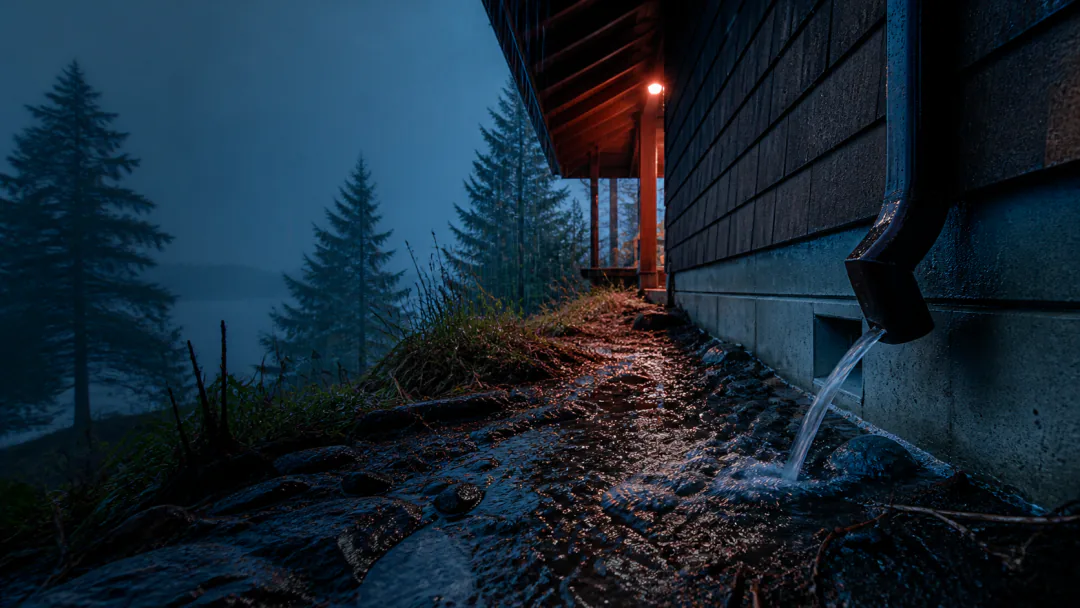

Crawlspace moisture & drainage / Comox Valley BC
Find the moisture source before choosing a crawlspace system. Trace rainfall, plumbing, groundwater, ground vapour, air and material condition through one calm evidence path.
The first decision is not a product
When it appears, where it begins and what changed before it arrived can be more useful than the symptom alone.
Standing water, damaged insulation, condensation and odour can have different or interacting causes. This process helps create a safe condition record and routes the right questions—without remote diagnosis or health claims.
Moisture source process
Time, place, pathway and routing each reveal different evidence. The image, lens and field notes change together as you scroll.
Separate rain-linked events, plumbing events and ongoing humidity patterns.
Time
Note whether the condition follows heavy rain, a plumbing event, seasonal humidity, a cold spell or an unknown change. Do not infer the source from one observation.
Open the source guide ↗Place
Record the first visible location, height, material and spread. Photograph from a safe distance with a reference point so later observations can be compared.
Document standing water ↗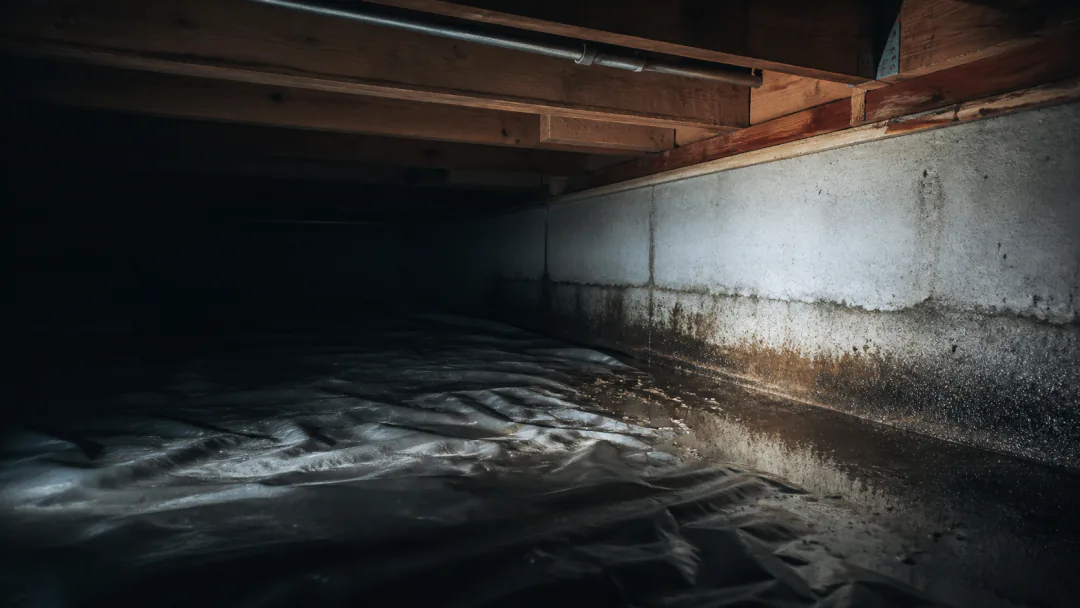
Pathway
Exterior water, perimeter drainage, plumbing, ground vapour, air/condensation and wet materials may require different disciplines—or more than one.
Compare systems to sources ↗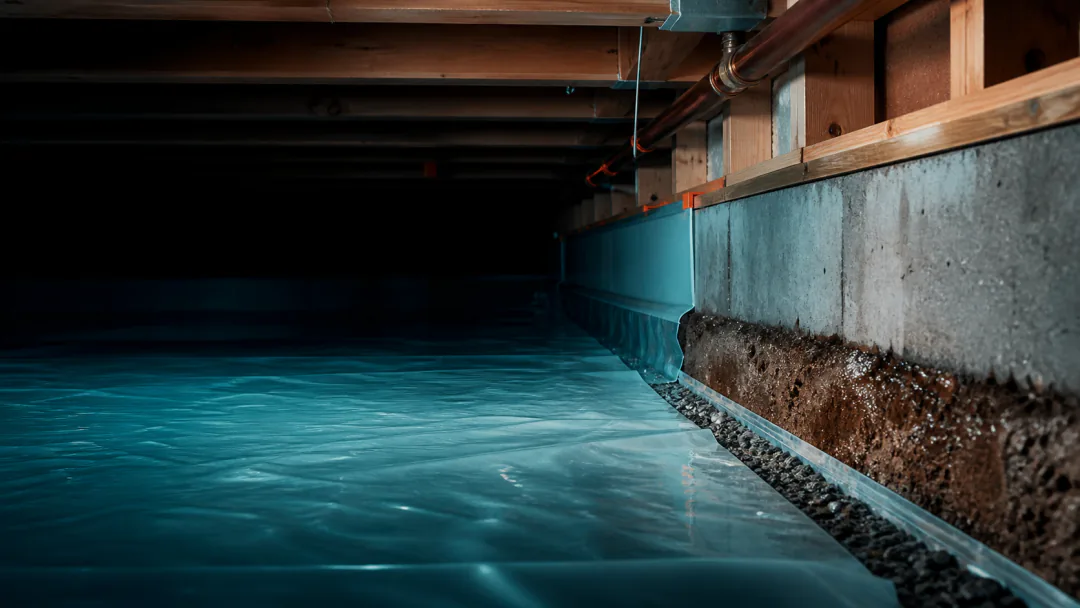
Route
A condition record can help distinguish drainage, plumbing, insulation/building-science and contamination-assessment questions without pretending the page has diagnosed the property.
Prepare an assessment ↗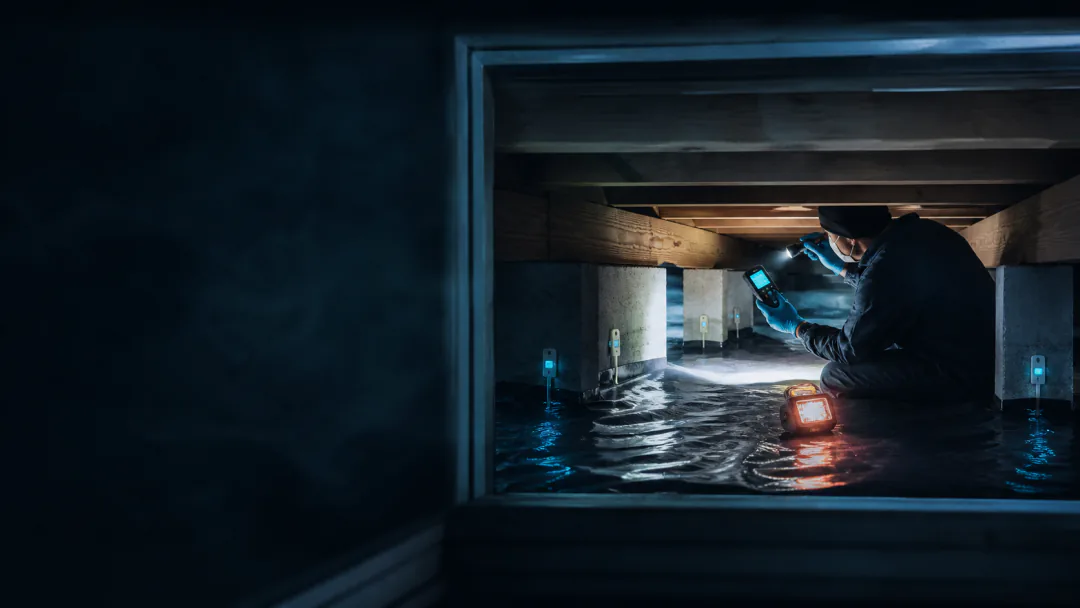
Interactive observation tool
Select one safe observation. The tool suggests what to document next—not what the diagnosis is.
Observation path 01
Record recent rainfall timing, where water first appears, exterior downspouts and grading observations, sump status if safely visible, and when the area begins to dry.
Crawlspace service information
Review moisture sources, standing water, drainage, vapour barriers, insulation, sump systems and assessment scope before requesting work.
Timing, pattern, exterior grade, plumbing, vapour, air and escalation boundaries.
Trace the source ↗02 / Visible waterRainfall versus leak timing, exterior routes, sump/perimeter questions and documentation.
Map the water ↗03 / DecisionWhat each system may address, what it cannot prove and when scopes interact.
Compare the systems ↗04 / AssemblyGround, wall and rim zones, continuity, wet materials and review boundaries.
Review the layers ↗05 / Water controlCollection, discharge, maintenance, power and jurisdiction questions.
Map the pathway ↗06 / ScopeAccess, observation, testing distinctions, inclusions, exclusions and reporting.
Compare the scope ↗How it works
Observe only from a safe position and capture the wider context.
Connect changes to rain, plumbing use, season or an unknown pattern.
Map location, spread, exterior paths, materials and visible systems.
Prepare the right drainage, plumbing, building-science or assessment questions.
Why this approach
Encapsulation, drainage, plumbing correction, insulation work and material assessment are not interchangeable. The first value is knowing which questions belong in the scope.
Observations are framed as evidence and routing questions, not conclusions.
Appearance and odour do not establish species, health effect or remediation scope.
A ground-vapour system cannot prove that exterior water or plumbing is resolved.
Comox Valley context
Coastal weather and varied building stock make timing and source separation valuable. Permit or building questions must be checked for the exact Courtenay, Comox, Cumberland or regional-district jurisdiction; these labels are context, not universal availability claims.
CVRD building permits ↗No. Rainfall timing, plumbing events, groundwater, sump/perimeter systems and the first visible location all matter. Do not assume the source from water alone.
No. Ground-vapour control can be part of a scope, but it does not prove that exterior water, plumbing leaks, drainage or wet materials have been addressed.
No. Appearance and odour alone do not establish species, health impact or remediation requirements. Avoid disturbing suspect material and seek qualified assessment when appropriate.
Safe observations, timing, weather or plumbing context, first visible location, photos from a distance, known drainage/sump information and changes over time.
Request an estimate
Use the short form or call. Describe the symptom and timing without entering an unsafe space or disturbing material.
Call the Comox Valley line(778) 658-0032extension 228